Benue’s tragedy acts as both a warning and an opportunity for transformation.
If we persist in viewing it solely through the narrow perspective of “long-standing rivalry,” we will not only let down the citizens of the state but also jeopardize the larger struggle against state instability in Nigeria. We must delve deeper, strategize more effectively, and lead with courage — for only a holistic approach can address a crisis of this magnitude.
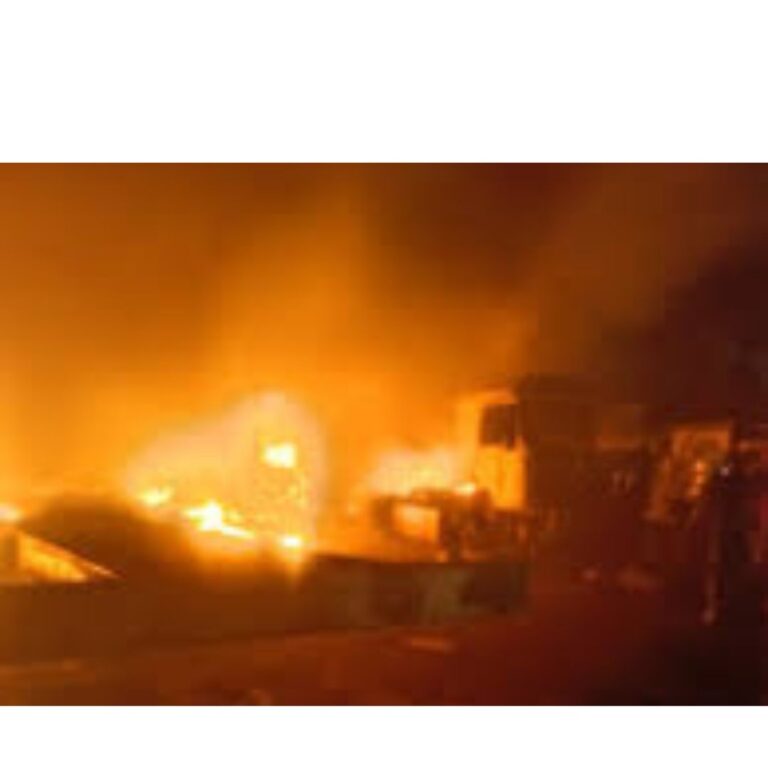
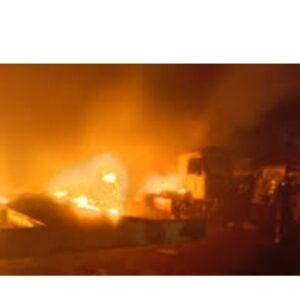
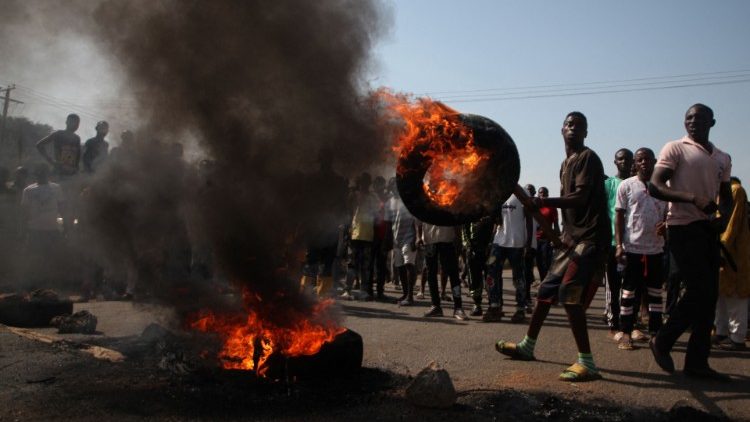
The disturbing images and shocking death toll from the recent attacks in Benue State — where reports indicate that over 200 lives have been lost — should deeply trouble the conscience of any nation. Yet, what is even more alarming than the violence itself is our persistent failure to address its true complexities. The dominant story of a “farmer-herder clash” greatly simplifies what is actually a dangerous mix of climate-driven displacement, electoral manipulation, and widespread arms distribution.
We are not witnessing isolated acts of community violence. We are seeing a regional crisis that is turning into a national fragility.
Climate Change as a Driving force of Conflict
For many years, the advancing desert and decreasing water supplies in Nigeria’s northern and border regions have gradually compelled numerous herders to relocate. What began as a temporary migration of Fulani pastoralists in search of grazing land has evolved into a semi-permanent movement southward, frequently without any governing authorities to oversee the new coexistence. Benue, celebrated for its fertile plains and recognized as the “Food Basket of the Nation,” has become a major area of conflict. The shrinking of Lake Chad, now a small fraction of its former size, along with the deterioration of the Sahel, has greatly affected many livelihoods. These displaced people — who have little more than their cattle and steadfast determination — are now in conflict with agricultural communities that are also struggling with land scarcity and financial difficulties. The result? Resource disputes that can quickly evolve into lasting ethnic and religious tensions.
Compounding this environmental crisis is a persistent political culture of identity politics that thrives on division. In Benue, laws against open grazing — although rooted in valid concerns — have become emblems of political identity. As elections draw closer, these laws are enforced unevenly, serving as indicators that further divide communities.
When Elections Ignite Turmoil
The ecological crisis is further exacerbated by a deeply entrenched political culture of identity politics that thrives on division.
In Benue, the anti-open grazing laws — while grounded in valid concerns — have evolved into symbols of political identity. As elections approach, the enforcement of these laws often becomes inconsistent, acting as quiet indicators that increase divisions in the community.
Political leaders from various parties have been accused, both openly and indirectly, of intensifying tensions for their electoral gain. Local militia groups, originally designed for community safety or political power, this evolved into independent entities, engaging in a conflict-driven economy primarily fueled by fear, revenge, and a sense of a powerless government.
This problem extends beyond Benue. Comparable pre-election violence has emerged in Plateau, Taraba, and certain regions of Kaduna, highlighting the extent to which electoral politics have caused divisions.
Perhaps the most concerning trigger in this crisis is the proliferation of small arms and light weapons. Nigeria’s porous borders with Niger, Chad, and Cameroon have become conduits for arms trafficked from the war-torn areas of Libya and the turmoil in Mali and Burkina Faso.
A nation without boundaries
Undoubtedly, the most concerning factor in this chaotic situation is the uncontrolled spread of small arms and light weapons. The open borders of Nigeria with Niger, Chad, and Cameroon have turned into unregulated pathways for arms smuggled from the war-torn areas of Libya and the ongoing conflicts in Mali and Burkina Faso.
As soon as these weapons arrive in Nigeria, other groups immediately start using them. Vigilant groups now have firepower comparable to or even greater than that of official security personnel in several parts of the Middle Belt. In a nation where the government’s ability to manage violence has all but vanished, militants, criminal organisations, and even displaced youth are using firearms not just for protection but also as a means of survival.
It is difficult to create a strong response since the Nigerian state is weak at its core, financially limited, and greatly influenced by political forces. Rather than being proactive, military activities are typically reactive. The ability to obtain intelligence is still woefully insufficient. Justice seems like a far-off goal. Communities are thus left to fend for themselves, sink deeper into a cycle of reprisal.
What must be done
To alter this course, we must transition from mere reaction to a well-crafted strategy.
Review the conflict: It is important to recognize and express that this issue goes beyond a basic ethnic or religious conflict. It is a multifaceted crisis that requires integrated, cross-sector solutions.
Invest in climate adaptation: Focus on providing support for grazing reserves, water infrastructure, and climate-smart agricultural practices in both national and subnational budgets. This approach reflects peacebuilding through the perspective of environmental justice.
Reform the security architecture: Improve border control measures and strengthen the capabilities of local law enforcement, ensuring that communities are offered protection rather than heightened militarization.
Reduce electoral violence: The Independent National Electoral Commission (INEC), in collaboration with civil society and security agencies, must create frameworks for monitoring and addressing pre-election violence.