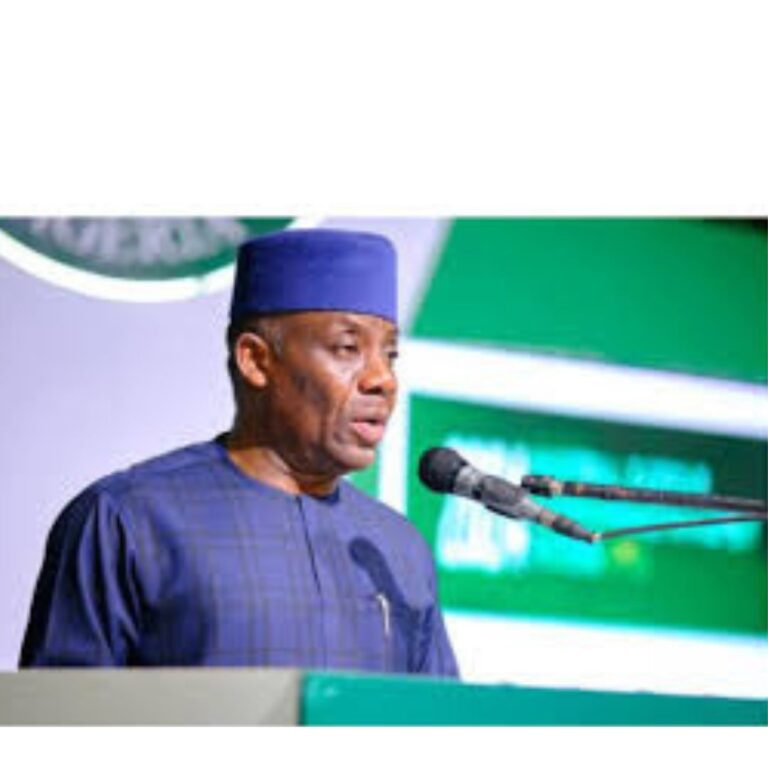




Nigeria’s electoral framework is currently facing significant challenges. The Independent National Electoral Commission (INEC) has been plagued by accusations of corruption, inefficiency, and bias, which have significantly diminished public confidence in the democratic process. As INEC intensifies its efforts to establish an Electoral Offences Tribunal, critics contend that the commission must first confront its own issues of internal corruption and lack of transparency. With the integrity of the nation’s elections at stake, the question arises: can INEC regain public trust and guarantee that any tribunal formed will prioritize justice over political interests?
The INEC has found itself embroiled in various controversies, ranging from voter suppression and ballot box tampering to bribery scandals involving senior officials. Without authentic reforms aimed at enhancing transparency and accountability, there is a substantial risk that any tribunal could merely serve as an instrument of political manipulation rather than a genuine avenue for justice.
Nigeria’s electoral history commenced with the establishment of the Electoral Commission of Nigeria in 1959. The Federal Electoral Commission was created in 1960 but was disbanded following the military coup in 1966. In 1978, a new Federal Electoral Commission was instituted, overseeing elections until its dissolution in 1987. Subsequently, the National Electoral Commission was formed but was dissolved in 1993 after the annulment of the June 12 election. In 1995, General Sani Abacha established the National Electoral Commission of Nigeria, which was later disbanded in 1998. The Independent National Electoral Commission (INEC) was then established in 1998 to facilitate the transition to the Fourth Republic. Over the years, INEC has been beset by serious allegations of electoral misconduct, including corruption, inefficiency, and bias. Corruption remains a pressing issue, with claims of bribery and favoritism during elections.
Reports indicated that the 2007 elections were marred by widespread irregularities, including voter suppression and manipulation of results. The Babalakin Commission of Inquiry brought to light various methods of electoral rigging, such as fictitious voter registrations and ballot box stuffing. Also, evidence from the EFCC’s interim report on the 2015 elections indicated that INEC personnel across 16 states received over N3 billion to sway the general elections.
Allegations was extended to against 202 current and former officials of the Independent National Electoral Commission (INEC). One notable case involves Gogo Anderson Waribo, who is accused of accepting a bribe of N16 million connected to a N23 billion slush fund associated with Diezani Allison-Madueke. It is claimed that Waribo received the funds through his First Bank account in March 2015 and subsequently distributed N5 million to Peter Popnen, a former INEC official. Additionally, in 2017, six senior staff members of INEC were reportedly implicated in receiving bribes totaling N23 billion during election-related activities, underscoring the pervasive corruption within the commission.
The elections of 2019 were marred by accusations of voter suppression and manipulation of results. The Independent National Electoral Commission (INEC) received significant criticism regarding its management of the elections, with various observers highlighting irregularities in the voting procedures. Recently, the Senate sanctioned the removal of three INEC officials, including the suspended Resident Electoral Commissioner Nura Ali, who admitted to accepting a bribe of $150,000 to influence the outcome of the 2023 general elections in Sokoto State. Similar claims were made against Barr. Hudu Yunusa-Ari in Adamawa, who unilaterally declared a gubernatorial candidate as the victor, and Professor Ikemefuna Chijioke Uzochukwu in Abia, who encountered logistical challenges and irregularities.
The 2023 general elections are perceived as the most flawed in Nigeria’s history, with issues such as voter suppression, vote buying, and technical malfunctions of the BVAS machines further eroding the integrity of the electoral process.
The inability of the IReV portal to upload results as promised resulted in significant discrepancies and a pervasive sense of skepticism. Claims circulating on social media alleged that INEC was manipulating the election count to benefit the ruling All Progressives Congress. Despite INEC’s denial of these accusations, public confidence in Nigeria’s electoral system has been profoundly undermined. The judiciary’s approach to election disputes has also left many disillusioned, as rulings appeared to disregard claims of electoral malpractice.
Investigative reports from leading media organizations suggested that Labour Party candidates may have secured victories in certain states where the APC was declared the winner, further intensifying public doubt. In the midst of this emotional turmoil, INEC has been advocating for the establishment of an electoral offences tribunal for several years, with a renewed emphasis in February 2025. The primary justification for this initiative is the sluggish prosecution of electoral offenders, attributed to the absence of specialized courts, which often results in cases dragging on through multiple election cycles. Nevertheless, there is considerable skepticism regarding INEC’s genuine commitment to this initiative, particularly in light of ongoing allegations of corruption and bias within the commission itself.
This initiative raises concerns about whether the tribunal is truly intended to tackle electoral malpractices or if it may serve as a mechanism for political manipulation. Given that electoral offenders include those who compromise the transparency of elections, such as security personnel, political parties, and thugs, it is crucial to recognize that INEC officials themselves are often the primary violators. Considering the extent of corruption and fraud within the commission, one must question the necessity of an electoral tribunal. While the establishment of such a tribunal could facilitate swifter justice for electoral offences and bolster the credibility of Nigeria’s electoral framework, neglecting to address INEC’s internal challenges risks transforming the tribunal into a tool for targeting political adversaries rather than a legitimate means of combating electoral malpractices.
To effectively promote the establishment of an electoral offences tribunal, the Independent National Electoral Commission (INEC) must prioritize internal reform. It is imperative that officials resist any form of bribery. Strengthening internal oversight is essential and can be accomplished by creating independent mechanisms to combat corruption within INEC, including the implementation of internal audit units and whistleblower policies aimed at identifying and preventing unethical practices. Furthermore, enhancing transparency is critical, which involves providing stakeholders with open access to electoral processes for thorough examination.
This can be achieved through regular updates on election preparations and results via platforms such as the IReV portal. Adopting a zero-tolerance stance towards corruption is crucial, necessitating prompt disciplinary measures against any INEC officials found guilty of bribery or favoritism. Engaging the public is vital for rebuilding trust through constructive dialogue and collaboration with civil society and political parties. By tackling internal corruption and improving transparency, INEC can ensure that any tribunal formed genuinely upholds electoral integrity rather than serving political agendas. Recent initiatives by INEC, including the comprehensive roadmap for electoral reforms introduced in December 2024, demonstrate a commitment to transformation. Recent efforts by INEC, such as the comprehensive roadmap for electoral reforms unveiled in December 2024, highlight a commitment to change, but sustained action is necessary to achieve lasting impact.