
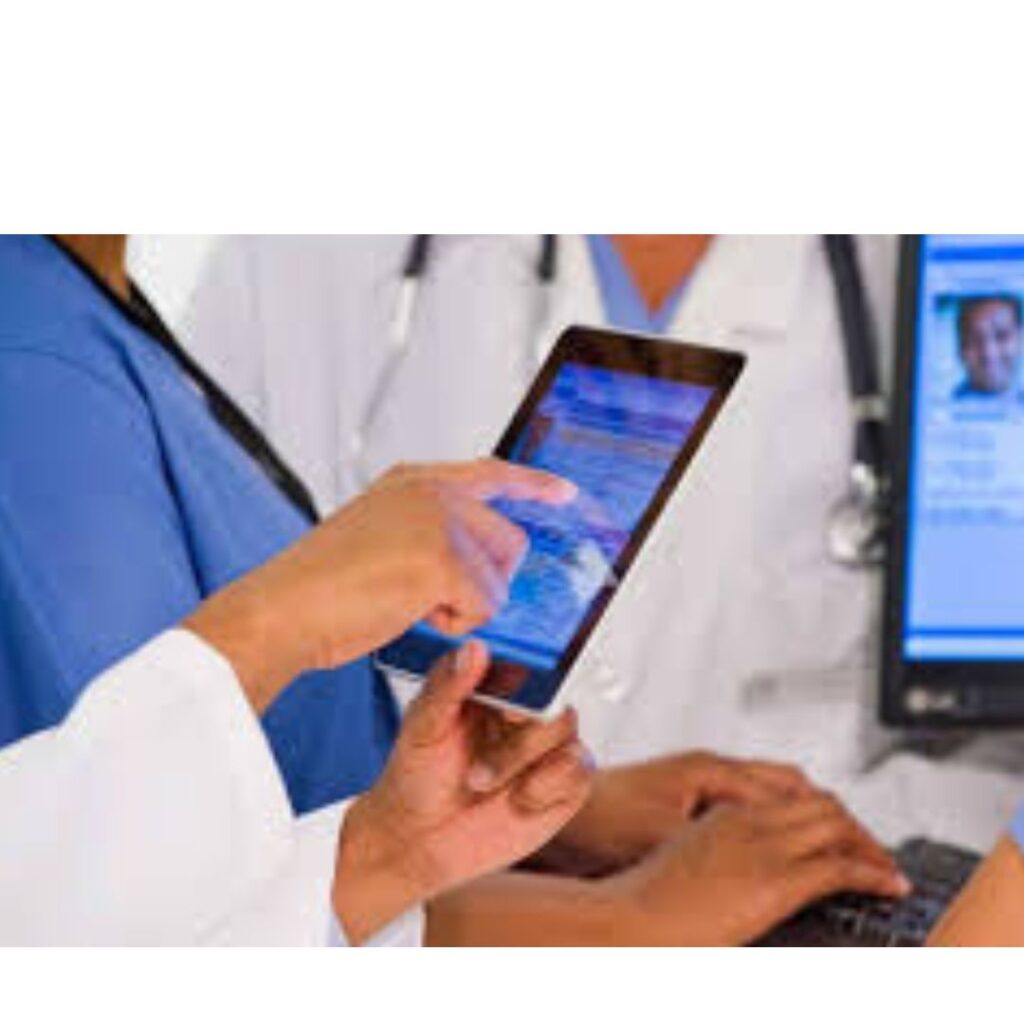
Nigeria’s digital healthcare sector could grow to 3.3 billion dollars by 2030, according to the News Agency of Nigeria, signalling expanding investment, technology adoption, and opportunities within the country’s health industry.
A Consultant Public Health Physician at the University of Ilorin Teaching Hospital, Dr Sarumi Olakunle, disclosed this Tuesday in Ilorin during a paper presentation at the Association of Resident Doctors conference.
His presentation, titled Navigating the Future of Medical Practice and Entrepreneurship in Nigeria, examined emerging opportunities, persistent challenges, and the changing role of doctors within an evolving healthcare and business environment.
Quoting 2023 data from iTelemedia and Statista, Olakunle said Nigeria’s digital health market could reach about 631.55 million dollars in 2025, in spite of slow adoption of health technologies across hospitals nationwide currently.
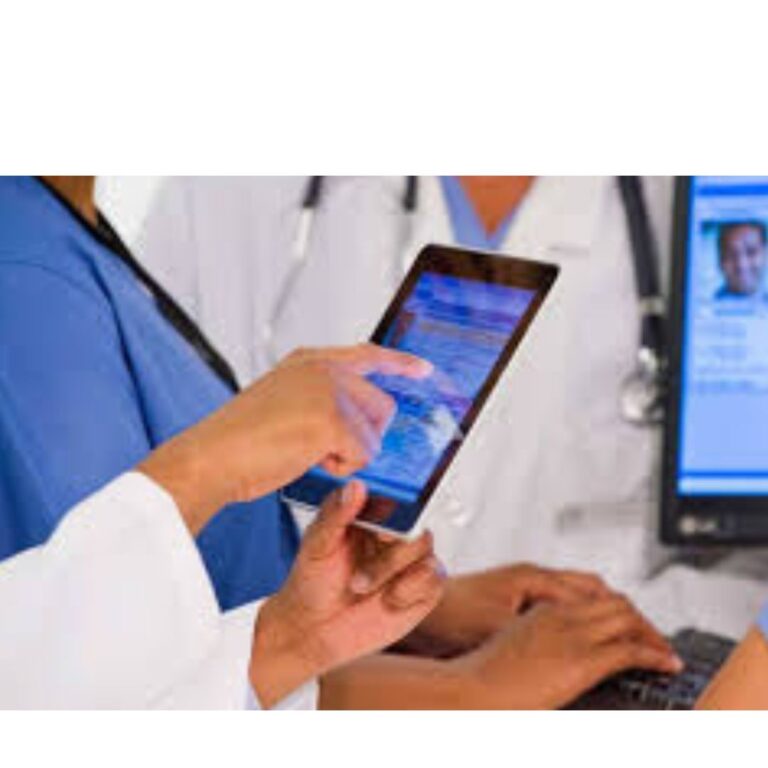
He noted that only 22 per cent of Nigerian hospitals currently used Electronic Health Records, while many rural clinics still relied on paper-based records, limiting efficiency, data sharing, and continuity of care nationwide.
Olakunle urged medical practitioners to embrace entrepreneurship, innovation, and emerging opportunities, saying such approaches could strengthen health systems, create sustainable careers, and help overcome structural, economic, and regulatory challenges facing Nigeria.
He linked poor remuneration, infrastructure gaps, and limited professional growth to migration, citing Nigerian Medical Association estimates that about 50 doctors leave Nigeria weekly, while thousands of healthcare workers depart annually.
Olakunle cited a UK government report showing 13,609 Nigerian healthcare workers migrated to the United Kingdom between 2021 and 2022, underscoring workforce losses and the need for innovation-driven solutions within sector.
He advised doctors to become healer-innovators, stressing medical entrepreneurship did not violate the Hippocratic Oath, and encouraged exploring digital health, telemedicine, preventive care, and integrated systems to expand access nationwide efficiently.
He said telemedicine helped bridge service gaps, especially in rural areas, by reducing travel time, lowering costs, supporting chronic disease management, enabling rapid specialist consultations, and improving healthcare efficiency for patients.