
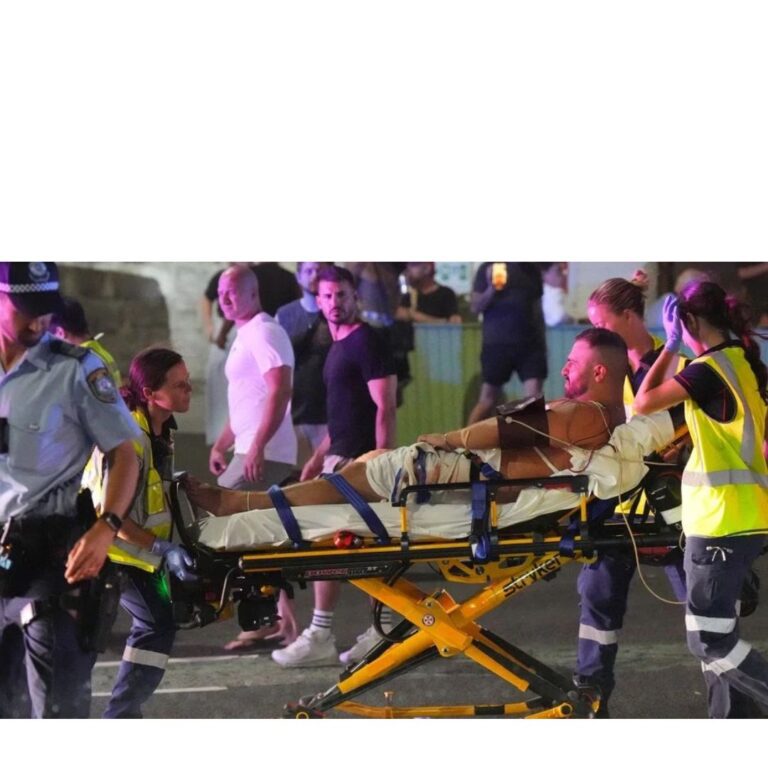


The shocking events that took place in Uromi, where travelers were violently lynched due to suspicions of being terrorists and kidnappers, are incredibly troubling. The way the media presents this situation is unsettling. This incident strips away our sense of humanity as Nigerians and highlights the disturbing trend of violence in our country. It’s truly heartbreaking. I offer my sincere condolences to the victims of this mob violence and to everyone who has experienced similar tragedies throughout our nation.
It’s uplifting to see the whole country unite in strong disapproval of such mob justice, as shown by the widespread condemnations. This collective response is crucial. Lynching our fellow citizens should belong to the past, not be a reality we confront today.
The government is once again attempting to shift the blame for serious problems in Nigeria, which largely stem from its errors and shortcomings. They have swiftly disbanded vigilante groups, reassigned police commissioners, and the Governor of Edo State has traveled to Kano to meet with mourning families, assuring them of support. However, the Uromi incident serves as a crucial reminder for us to recognize the numerous contradictions that are exacerbating our security challenges. It is these inconsistencies and the government’s intentional shortcomings that warrant our strongest criticism.
The most glaring contradiction lies in the fact that the key individuals behind terrorism and kidnappings in Nigeria are widely recognized and accessible. A thorough investigation was conducted to delve deeper into the issue of banditry in northern Nigeria. As part of this inquiry, those carrying out research conducted face-to-face interviews with the leaders of various terrorist organizations. Also, independent journalists, who financed their efforts, successfully located and engaged with the heads of different terrorist factions that are extorting large regions of Nigeria for ransom.
Recently, the Kaduna State Government announced a controversial peace agreement with several known terrorists. This plan involved talking to people who are infamous for their violent actions, like murder and kidnapping, and whose crimes are well-known. Interestingly, some of the people at this “peace meeting,” which included military and security officials, were carrying weapons.
This “peace deal” in Kaduna is similar to past dealings between the government and terrorist groups over the years. One important event that many seem to have forgotten happened on February 18, 2018, when terrorists took more than 100 schoolgirls from a school in Dapchi, Yobe State. Sadly, five girls lost their lives due to the emotional and physical stress of the situation. By March 21 of that same year, all but one of the kidnapped girls, Leah Sharibu, were returned to the Federal Government. What made the terrorists decide to let the girls go? Was it because they suddenly felt sorry for them, or did the government pay a large ransom? The real answer is unclear, but it’s clear that the government was negotiating with the very terrorists it says it is fighting against.
The Nigerian Bureau of Statistics reports that between May 2023 and April 2024, Nigeria’s kidnapping sector generated over N2 trillion for its criminals. A significant portion of this money is reportedly used to acquire advanced weaponry, which these bandits wield as they ruthlessly destroy entire villages. Alarmingly, former kidnapping victims frequently express that these criminals are better equipped than the military, who are responsible for combating and eradicating them. Documentaries on banditry suggest that security forces often hesitate to respond to attacks on communities, seemingly due to the terrorists’ overwhelming firepower.
No media organization has created an investigative documentary that examines the Nigerian military, particularly concerning the equipment and motivations of its personnel. However, frontline soldiers have released videos voicing their dissatisfaction with low equipment, poor equipment, and inadequate support for injured colleagues. These videos, along with the noticeable reluctance of security forces to swiftly address terrorist attacks on villages, indicate that the Nigerian military and security agencies are severely underfunded and lack the necessary resources to combat terrorism effectively.
Over the past 15 years, as terrorism has increasingly impacted our society, Nigeria has invested billions of dollars annually in defense and security. To what extent has this funding been utilized? Has there been any evaluation of defense spending, and if so, who conducted it? Have the leaders of various defense agencies been held accountable for their financial decisions during these 15 years?
It’s clear that the government’s dishonesty and inability to eliminate terrorists and criminals are made worse by widespread corruption. When we look at how the Nigerian public sector operates, it becomes obvious that only a tiny fraction of the yearly budget meant for defense and security has actually been used properly since 2009.
Due to a shortage of skills, corruption, and the government’s indifference, people nationwide are stepping up by forming community policing and vigilante groups. However, community policing is best handled by trained professionals within a structured system that is adequately funded and managed by unbiased operatives. This responsibility should lie with the police and security forces, not with untrained citizens creating “vigilante” groups out of necessity. It’s no wonder that while these vigilante initiatives have seen some success, they’ve also led to larger issues in society.