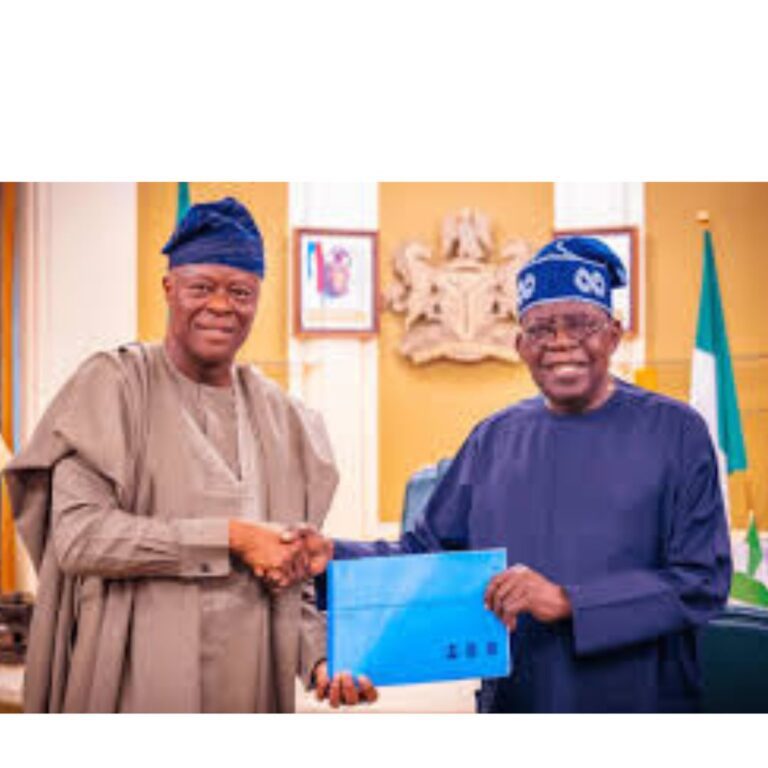



President Bola Tinubu has officially signed the “Upstream Petroleum Operations (Cost Efficiency Incentives) Order, 2025,” aimed at ending high operating costs within Nigeria’s oil and gas sector, which currently exceed global averages.
This information was provided in a document sourced from the Office of the Special Adviser to the President on Energy in Abuja, as reported by the News Agency of Nigeria (NAN). The document noted that the high operating cost was due to the lengthy project execution schedules and local content requirement.
The President has announced new policies aimed at reducing costs in Nigeria’s oil and gas industry. These changes are designed to make processes faster and adjust local content requirements for companies operating in the sector. The Federal Government of Nigeria is committed to managing the country’s oil resources effectively, with a focus on lowering expenses in oil production to improve competitiveness and efficiency.
To achieve these goals, the government plans to put in place new strategies that promote responsible spending, cut down on operational costs, and ensure that Nigeria gets the most economic benefit from its oil activities. The President has the authority to implement these changes based on the Nigerian Constitution and relevant laws regarding company taxes.
The President has announced new policies aimed at reducing costs in Nigeria’s oil and gas industry. These changes are designed to make processes faster and adjust local content requirements for companies operating in the sector. The Federal Government of Nigeria is committed to managing the country’s oil resources effectively, with a focus on lowering expenses in oil production to improve competitiveness and efficiency.
To achieve these goals, the government plans to put in place new strategies that promote responsible spending, cut down on operational costs, and ensure that Nigeria gets the most economic benefit from its oil activities. The President has the authority to implement these changes based on the Nigerian Constitution and relevant laws regarding company taxes.
It’s important to note that the incentives created under this new order will remain in effect until May 31, 2035, unless the President decides to extend or change them.It’s important to note that the incentives created under this new order will remain in effect until May 31, 2035, unless the President decides to extend or change them.
In a recent announcement, Mrs. Olu Verheijen, the Special Adviser to the President on Energy, shared important news about new tax incentives for companies in Nigeria’s oil and gas industry. According to the new guidelines, if companies do not use any tax credits before they expire, those credits will no longer be valid.
The new order encourages companies to find ways to save money while meeting specific industry standards. For every dollar saved by these companies, the government will return half of the extra revenue it gains back to them. However, there is a limit: companies can only claim tax credits up to 20% of what they owe in taxes each year. This ensures that the government still collects enough revenue while motivating companies to operate more efficiently.
Mrs. Verheijen emphasized that this initiative isn’t just about cutting costs—it’s part of a larger plan to make Nigeria’s oil and gas sector competitive and resilient in the global market. She explained that by rewarding efficient practices, they aim to boost investor confidence and ultimately provide more benefits to the people of Nigeria.
This new policy builds on earlier reforms aimed at improving how the industry operates, making projects faster to complete, and ensuring that local practices align with international standards. Mrs. Verheijen has been tasked with managing the collaboration among various government agencies to ensure that these changes are implemented successfully and yield positive outcomes.
(NAN)